

Right now, 32% of households in Southeast Minnesota (more than 33,000 individuals) are struggling to afford the basics*. The cost of groceries, gas, clothing, childcare, and other basics keep going up. Families are working hard, but still live paycheck to paycheck.
Make a gift today to help a local family through a difficult financial moment. Your gift to the Family Stability Initiative will help trusted community partners provide flexible, one-time financial assistance to local families.
Our goal is to provide $150,000 in financial assistance to help local families through the end of the year. With your help, a difficult moment won't become a crisis that sets a family back.
Through the Family Stability Initiative, your gift strengthens financial security for local families. It gives community partners the flexible resources they need to help families when an unexpected expense puts their finances at risk. Your donation can help a parent get to work, cover an unexpected bill, and keep a family on track before a temporary setback becomes a larger crisis.
Financial Security in Southeast Minnesota

32%
of Southeast Minnesota Households fall under the ALICE Threshold, which means they don't make enough money to cover their basic needs.

$83,280
is the ALICE Survival Budget, or bare minimum annual income to survive, for a family of four in Southeast Minnesota.

2,792
requests for financial support and assistance in Southeast Minnesota last year via United Way's 211 resource and referral line.
When There’s Nowhere Else to Turn
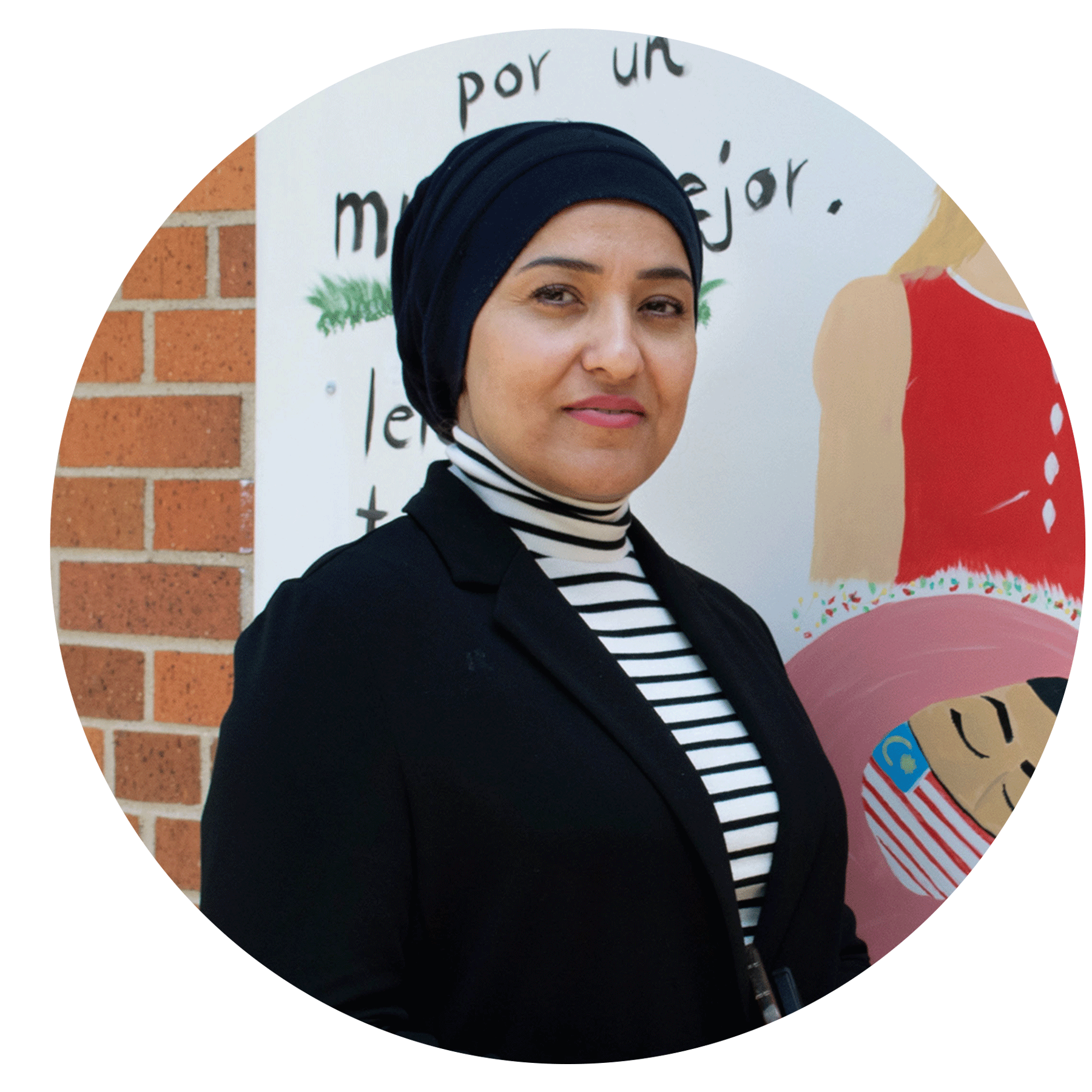
For nearly seven years, Amenah has worked at a United Way-funded nonprofit in Rochester that supports local parents and children. As a home visitor, she works with up to 12 families at a time, helping parents set goals, find resources, and build a better future for their children.
She sees families who are working hard to save for a car, find a job, pay for childcare, and meet their basic needs. She also sees what happens when families run out of options.
One family she works with was just barely over the limit for childcare assistance. They made too much to qualify for some public benefits, but not enough to cover all their basic needs. They could not afford the extra costs for childcare.
They had used all the other assistance available to them. They still needed help, but there was nowhere else to turn.
Amenah sees this often. Families are driving less because they do not want to waste gas. They are putting off things they need. They are looking for help from food shelves, churches, community groups, and other programs.
Often those resources help. But sometimes they are not enough.
These families are working, saving, planning, and doing what they can. But rising costs make it harder to get ahead.
Amenah hears families say it simply:
“We only get the necessities, but we still can’t make it work.” - Local Families
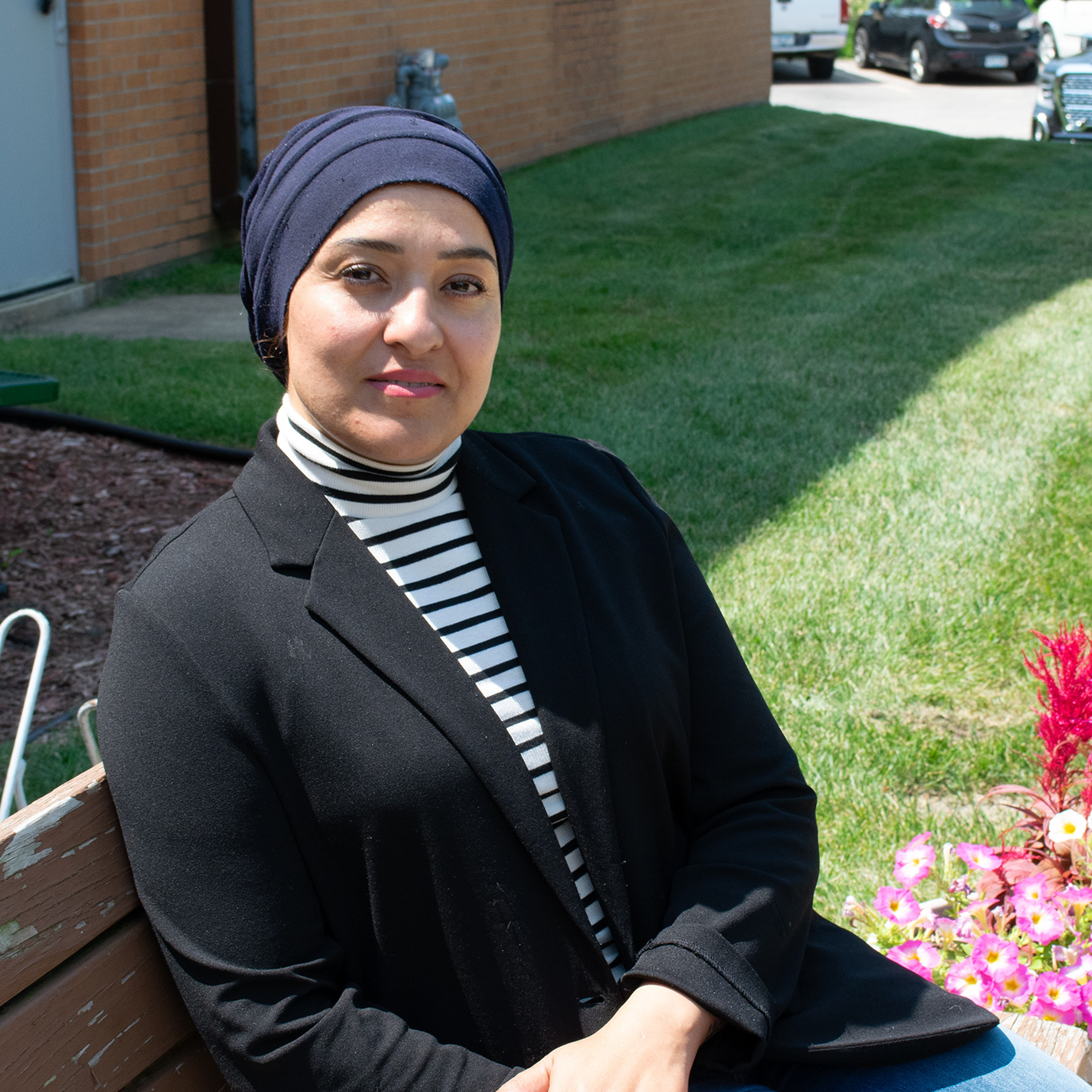
Amenah knows what this feels like, too.
She and her husband are raising four children. As costs have gone up, she has felt the pressure in her own household. While talking about buying clothes and school supplies for her children, she looked at her bank account and had about $100 left.
“I need to survive until Friday,” she said.
Amenah understands what it means to work hard and still have very little room in the budget.
That's why supporting the Family Stability Initiative is so critical - your gift will help a family get through an unexpected expense without losing the stability they have worked hard to build.
Together, we can provide $150,000 in one-time financial assistance to help local families stay on track when other resources are not enough.
*This figure comes from United Way's ALICE data, which uses a standardized measure to quantify the local cost of meeting a household's basic needs.